
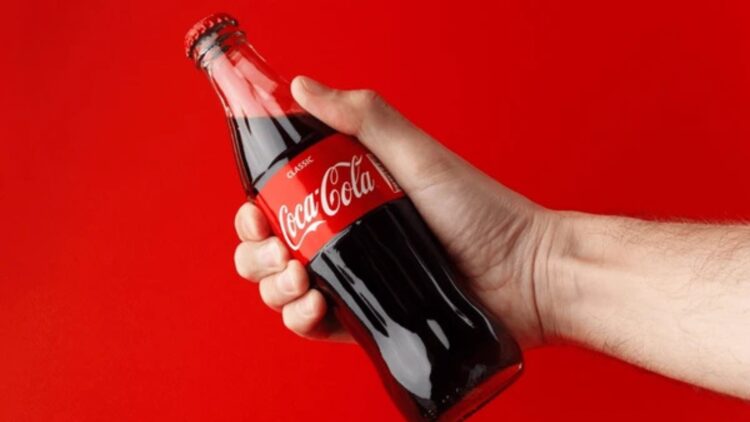
The Coca-Cola Company, a global powerhouse in the beverage industry based in Atlanta, Georgia, is at the center of an ongoing debate about the ingredients of its flagship product: Coca-Cola. For decades in the United States, the recipe has used high-fructose corn syrup instead of traditional cane sugar, primarily for cost and logistical reasons.
This change has sparked recurring criticism regarding public health, with figures like Robert F. Kennedy Jr. raising concerns about the sweetener. However, in a strategic shift aligned with current wellness trends, the company is also experiencing great success with its healthier and sugar-free product lines, such as Coke Zero and SmartWater.
The return of cane sugar in the U.S.
The Coca-Cola Company, the beverage industry giant based in Atlanta (Georgia), is facing an intense debate over the ingredients of its product. The controversy centers on the difference between using high-fructose corn syrup (HFCS) in the U.S. recipe and the traditional cane sugar used in most international markets, such as Mexico. This debate is not just a matter of taste; it touches on crucial issues of logistics, economics, and public health.
Cost vs. Flavor
The original Coca-Cola recipe contained cane sugar. However, in the 1980s, the brand made a significant change in the United States, replacing this ingredient with HFCS (High Fructose Corn Syrup). The main reason was economic: HFCS was cheaper and locally sourced, avoiding the costs and dependency associated with imported cane.Although some consumers noticed a change in taste, at that time the impact on demand was limited.
Nevertheless, HFCS has historically been subject to criticism in the public health sector, with voices like Robert F. Kennedy Jr., who has actively pushed for food companies to phase it out. Even so, health experts insist that, despite the subtle metabolic differences, the main concern remains the excessive consumption of added sugars in general, regardless of whether they come from corn or cane.
Company strategy
The debate reignited following comments from former President Donald Trump, who publicly praised the Coca-Cola Company for an alleged return from HFCS to cane sugar. Although Trump’s enthusiasm was not an official confirmation, it did draw attention to a market strategy that the company was already developing.Due to pressure and consumer demand for the cane sugar version—often purchased in the country as “Mexican Coca-Cola”—the company announced it would launch a new version of the drink with cane sugar in cans in the U.S.
However, the company’s CEO, James Quincey, quickly clarified that this was a “Y” strategy, not an “or” strategy. In other words, the new cane sugar version will complement the offering and be added to its innovation portfolio. The traditional formula sweetened with HFCS will not be eliminated in the United States, and the company “will continue to use most of the current corn syrup.” This approach aims to appease both consumers who demand the original cane flavor and American corn farmers.
The high cost of a complete change
A full-scale modification of the formula would involve overwhelming logistical and economic challenges. Industry analysts like Phil Lempert have warned about the consequences of a complete change:
- Price Increase: Cane sugar is more expensive than HFCS, which would significantly raise the final price of Coca-Cola for the American consumer.
- Supply Issues: Ensuring the global supply of cane sugar at the scale required by The Coca-Cola Company would pose a major logistical challenge.
- Operational Redesign: The company would need to invest in redesigning its production processes.
- Impact on Agriculture: The Corn Refiners Association has warned that abandoning HFCS would endanger thousands of jobs in American agriculture. It is estimated that a complete change could result in the loss of billions of dollars in agricultural revenue.
Health alternatives
The launch of a new cane sugar version comes at a time when the sugary beverage market is contracting. The Coca-Cola Company has already demonstrated its adaptability and success with low- or no-sugar alternatives, such as Coke Zero and SmartWater. These products reflect consumer trends toward healthier options. The addition of the cane sugar version, although welcomed by some consumers, seems to be more aligned with a portfolio diversification strategy (niche products) than with a mass return to the cane sugar roots of the classic formula.